
The Honest Truth About AI Content Detection in 2026
AI detectors aren't 100% accurate, and they never will be. Here's what they actually measure, why false positives ruin lives, and how to use them responsibly.
Read →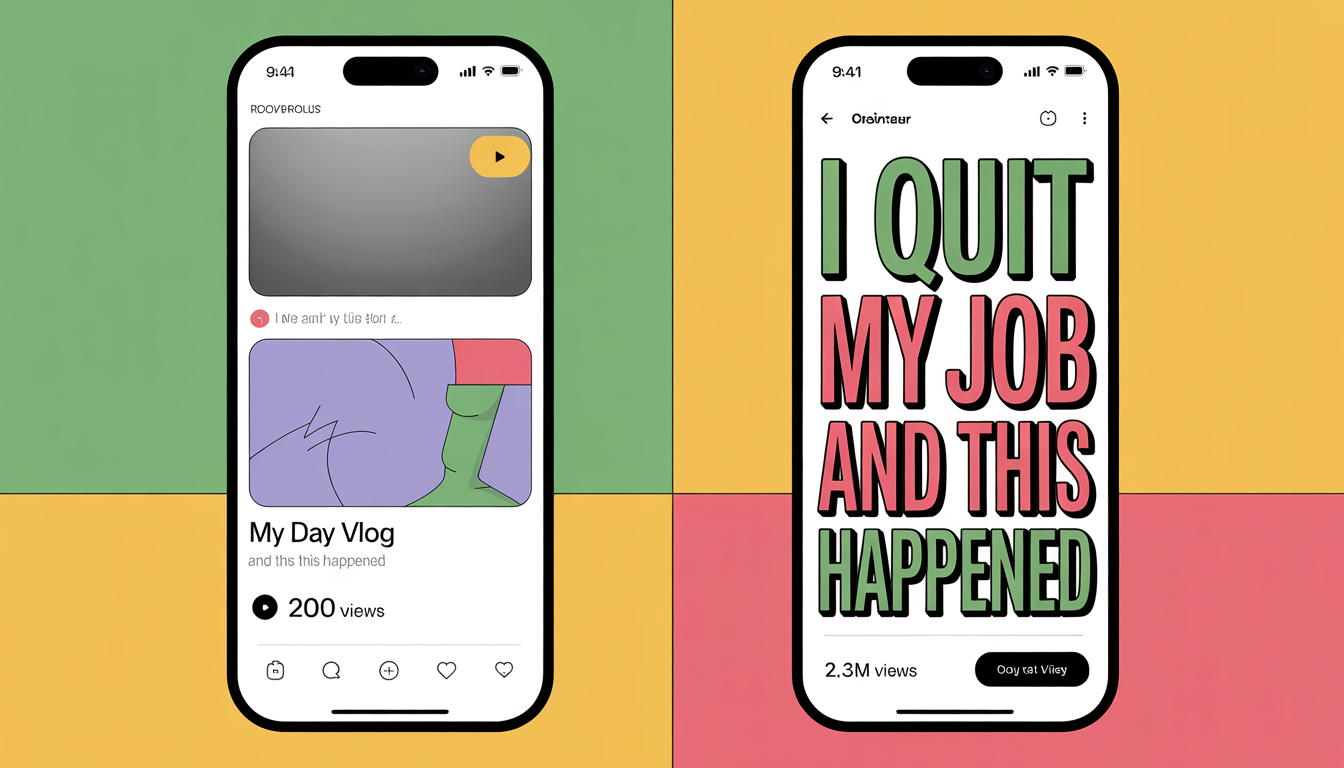
The first 3 seconds of your video determine whether anyone watches the rest. Here are the 6 hook formulas that actually work — and how to generate them instantly with AI.
The algorithm doesn't kill your video. Your hook does.
YouTube, TikTok, and Instagram Reels all use the same core signal: if people watch past the first few seconds, the platform shows the video to more people. If they scroll away, it buries it. This means your hook — the first 3 to 5 seconds — is the most valuable real estate in your entire video.
Most creators treat the hook as an afterthought. The ones getting millions of views treat it as the whole game.
Every platform measures audience retention starting from second one. A video that holds 70% of viewers through the first 30 seconds gets pushed. A video that loses 60% in the first 5 seconds gets buried — no matter how good the rest of it is.
The brutal math: if your hook loses 8 out of 10 viewers, only 2 people ever see the value you spent hours creating.
Lead with a statement that sounds almost too good to be true — but is defensible.
"I made $4,000 last month working 3 hours a day. Here's the actual breakdown."
The claim creates a gap: the viewer's brain wants resolution. They keep watching to verify or disprove it.
Where it works: Finance, productivity, business, fitness transformations.
Tease the answer without giving it. The brain hates open loops.
"There's one word in your YouTube title that's killing your click-through rate. Most creators have no idea."
Where it works: Education, tutorials, life hacks, SEO, marketing.
Open with a situation your audience has definitely experienced.
"When your client comes back with 47 revision requests on the 'final' version..."
Instant emotional recognition = instant retention. They feel seen.
Where it works: Freelance, parenting, workplace humor, gaming, niche communities.
Challenge the conventional wisdom in your niche.
"Stop making eye contact in job interviews. Here's what actually works."
Disagreement is a pattern interrupt. Viewers stay to hear the argument even if they initially disagree.
Where it works: Self-improvement, business advice, fitness, cooking.
Establish what the viewer will lose if they don't watch.
"If you're still doing keyword research this way in 2026, you're invisible to Google."
Loss aversion is more powerful than gain motivation. Stakes hooks tap into FOMO directly.
Where it works: SEO, marketing, investing, tech, any niche where outdated advice causes real harm.
Start mid-story with no context.
"The client called me at 11 PM on a Friday. The website was down. Black Friday starts in one hour."
In media res forces the viewer to fill in context themselves, creating instant investment.
Where it works: Personal brand, agency content, case studies, drama-adjacent storytelling.
TikTok: Text overlay in the first frame matters as much as the spoken hook. Many users watch muted. Your on-screen text IS your hook.
YouTube: The hook starts before the video — your thumbnail and title set expectations the hook must confirm. If your title promises "I tried every productivity app" your first frame should visually deliver that immediately.
Reels: Speed matters more here. TikTok audiences are trained to sit with a slower build; Reels audiences scroll faster. Get to the payoff of your hook 20% quicker than you would on TikTok.
Writing good hooks from scratch takes practice. The faster path: use our Hook Generator to produce 5–10 variations in seconds, then pick the best one and refine it in your own voice.
The workflow:
The final hook should sound like you on your best day, not like a template.
The only real test is data. Post two versions of the same video (or the same hook in different formats), and compare retention in the first 30 seconds via your platform analytics.
What a good hook looks like in data: retention above 70% at the 30-second mark, low "swipe away" rate in the first 5 seconds on TikTok, high average view duration relative to video length.
If your first 30 seconds consistently loses more than 40% of viewers, the hook is the problem — not the content.
Fix the hook first. Everything else is secondary.
AI detectors aren't 100% accurate, and they never will be. Here's what they actually measure, why false positives ruin lives, and how to use them responsibly.
Read →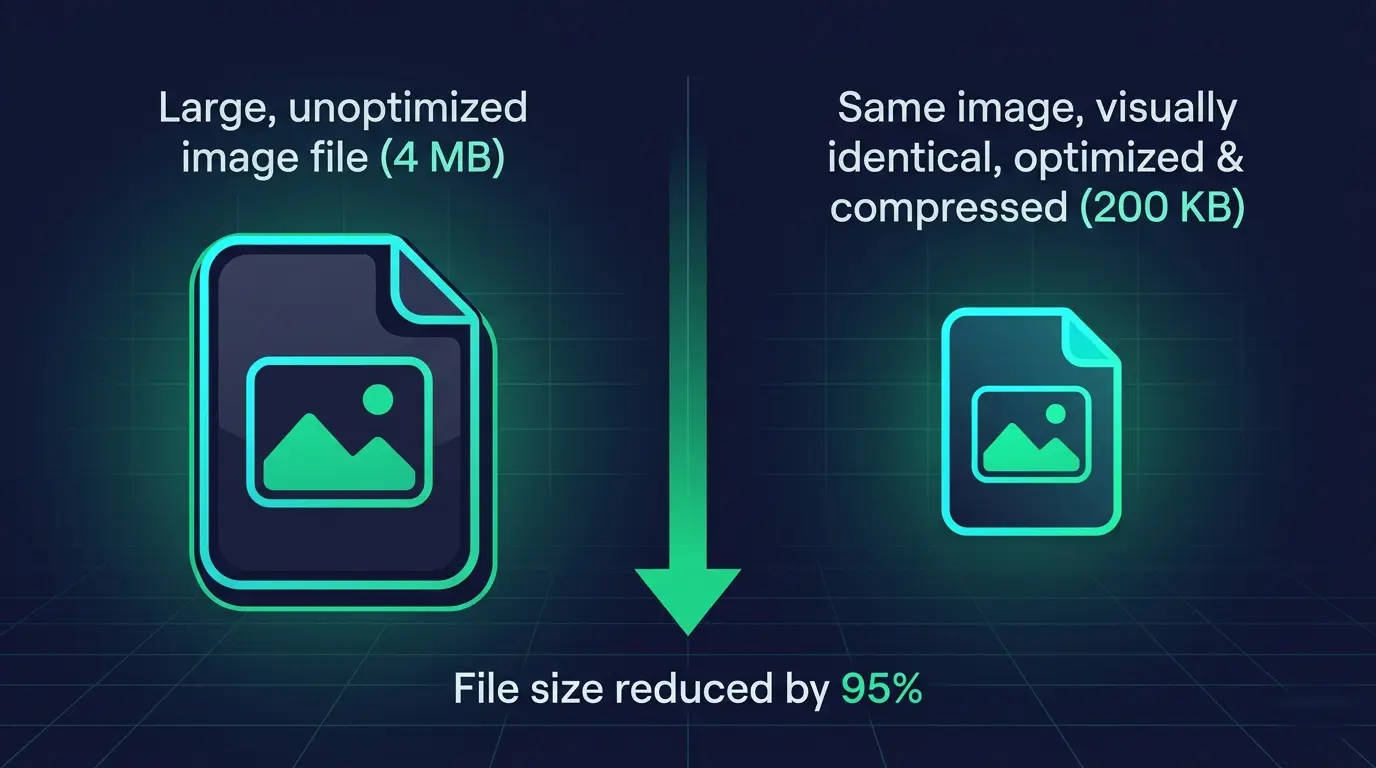
Cut image file sizes by 50-80% without visible quality loss. Here's exactly which format to use, what quality setting works, and the common mistakes to avoid.
Read →No comments yet — be the first to share your thoughts.
Comments are moderated and appear after review. Your email is never shown publicly or shared.